
AVA Sixth Form Students Share Auschwitz Experience on Bucks Radio
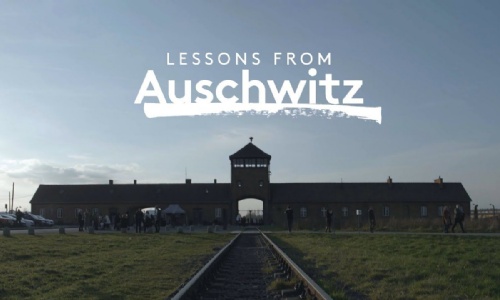
Last week, Bucks Radio visited the Academy to interview Sixth Form students Emily J and Megan W about their recent trip to Auschwitz.
As AVA’s first students to take part in the Holocaust Educational Trust’s Lessons from Auschwitz Project, they reflected on the powerful impact of the experience.
Both spoke about the importance of learning from the Holocaust and applying those lessons to the world today.
Listen to the full interview HERE.
They share their thoughts about their trip here.
Auschwitz I – Emily J
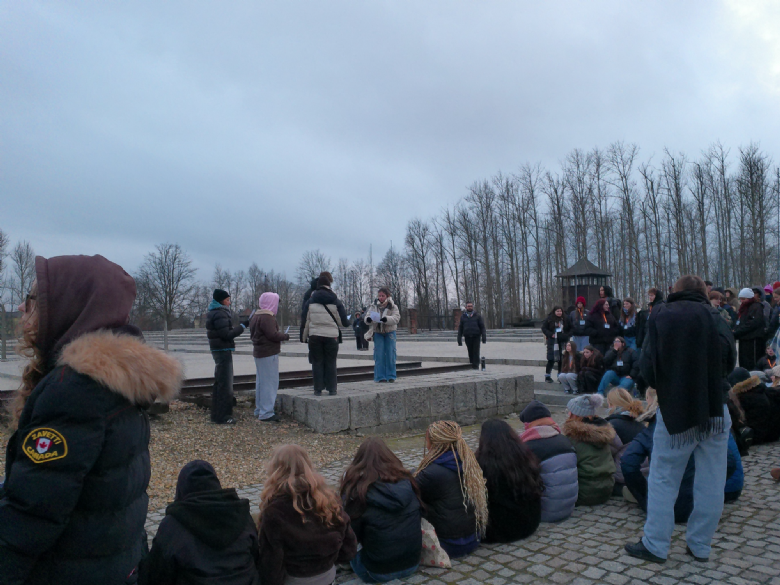
Upon entering the site through a long concrete tunnel, Emily and her group walked in silence as the names of Auschwitz victims were read aloud—a moment designed to emphasise that each person lost was an individual with a life, family, and future.
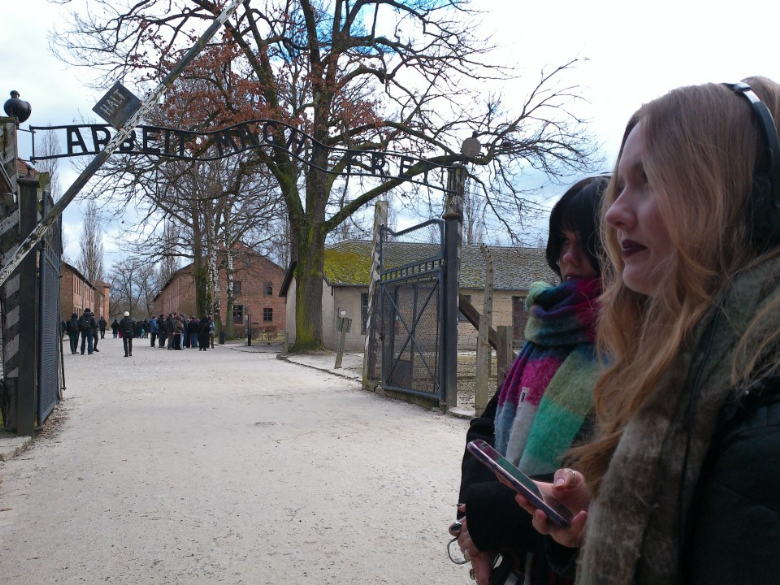
Stepping out onto the former Polish military base, Emily saw the notorious “Arbeit Macht Frei” gate and learned that survival was only possible for prisoners deemed fit for labour; the elderly, young, sick, or disabled were killed immediately.
She was struck by the electrified barbed wire, guard posts, and the impossibility of escape. The early prisoners, she learned, were political opponents, followed by Jews, Roma, homosexuals, disabled people, and others targeted by Nazi ideology. Auschwitz operated both as a forced‑labour camp and a source of profit for major German companies.
Inside the museum blocks, pre‑war footage of families across Europe highlighted the normal lives that were destroyed. Displays of shoes, glasses, hair, luggage, and children’s clothing revealed the scale of loss and the deception behind terms like “resettlement” and “disinfection”—euphemisms for deportation and gassing.
Auschwitz Birkenau – Megan W
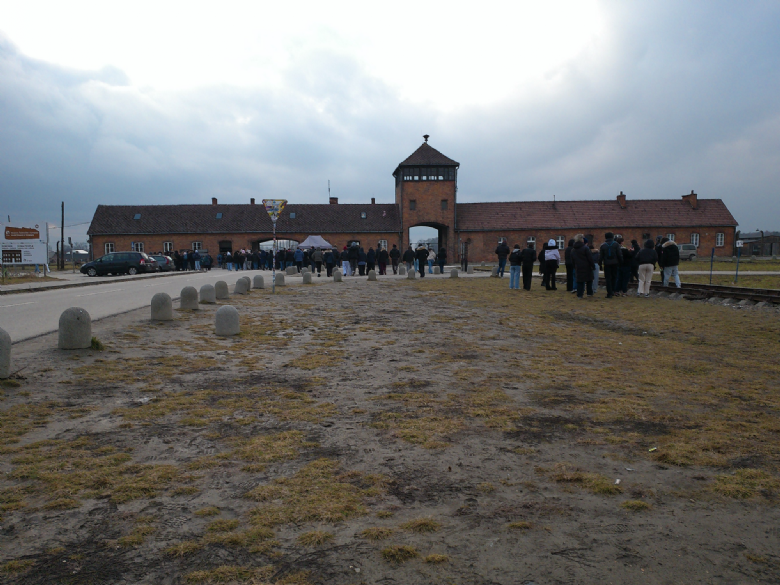
Megan’s visit to Birkenau, built to expand the camp’s killing capacity, began with the stark image of the Gate of Death. The immensity of the site brought home the scale of the genocide carried out there.
In temperatures of –1°C, even with layers of clothing, Megan found it almost impossible to imagine surviving in the thin rags prisoners were forced to wear. The barracks were overcrowded, disease‑ridden, and unfit for human habitation. Even the filthy toilet blocks were considered “privileged” work assignments because SS guards rarely entered them, offering prisoners rare moments of privacy and resistance.
At the remains of the gas chambers and crematoria—destroyed by the Nazis to hide evidence—Megan reflected on the more than one million people who took their final breaths there. Acts of resistance, both physical and psychological, persisted despite unimaginable conditions. She recalled Primo Levi’s memory of a fellow prisoner who insisted on washing daily, saying: “The camp is a machine to turn us into beasts; we must not become beasts.”
Why We Remember
The visit made clear the extent to which the Nazis attempted to strip people of identity, dignity, and life. The personal belongings on display and the stories of countless families left a lasting impact on both students.
While Megan and Emily were able to walk out of Auschwitz at the end of the day, millions never had that choice. Their reflections serve as an important reminder: behind every statistic was a human being who lived, loved, and hoped—just like any of us.